

Introduction
When setting up a gym, it’s very important to place the floor mats in the right way. It’s not just about how they look but also about making the gym safe and durable. If the mats are installed properly, they can help avoid accidents, protect the gym floors and make the mats last longer. Properly placed mats render the gym a safer place for everyone.
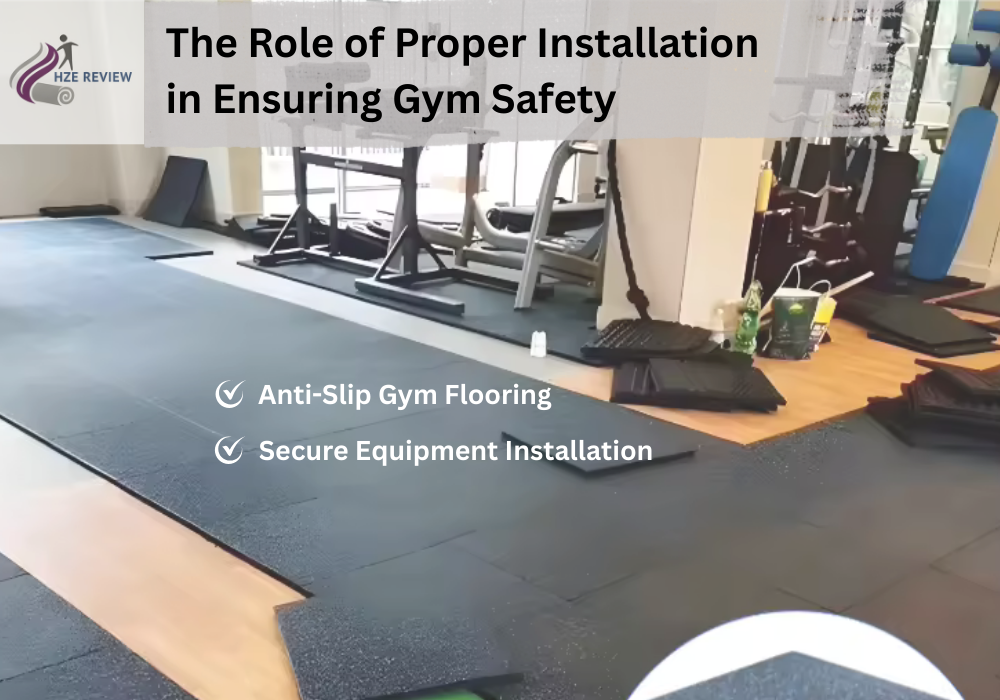
The Role of Proper Installation in Ensuring Gym Safety
Good mat installation guarantees that the floor has no bumps or gaps. If the mats are not well installed, accidents like tripping and falling may result. When mats are put down properly, they give a flat, stable surface, which makes the gym safer for everyone using it. This helps avoid slips and falls, keeping everyone safe.
How Proper Placement Reduces Slips and Falls
Where and how you place the mats can make a big difference in preventing slips and falls. Mats need to be placed carefully in areas where people are moving a lot, like cardio zones or places with weights. When the mats are put in the right places, they provide better grip and stability, making it less likely for anyone to slip, even during fast or intense exercises.
Preventing Damage to Gym Mats and Floors During Installation
Correct installation also protects the mats and the floor on which they are fitted. When mats are pulled or installed incorrectly, they tear, and the gym floor can be scratched. Precautions during installation will ensure that you maintain the mats and floor longer, which will save you money on repairs and replacements.
Step-by-Step Guide for Gym Floor Mats Installation in a Business Setting
Fitting gym floor mats is not as difficult as you imagine. With simple steps, you can keep your gym safe, clean, and organized. This is a guide to help you fit the mats in the best possible manner.
Preparing the Floor Surface for Installation
Before laying down mats, it’s important to prepare the floor. First, clean the area where you will be placing them. Make sure there’s no dust, dirt, or moisture. A clean floor helps the mats stay in place and prevents them from slipping. If the floor has any cracks or uneven spots, it’s a good idea to fix them before installing the mats.
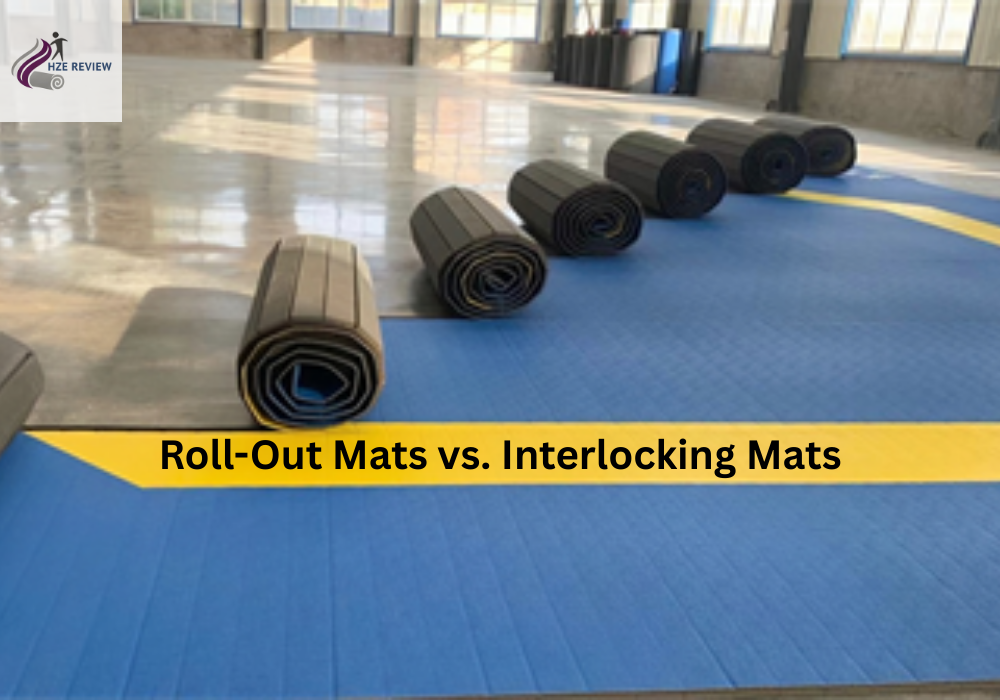
How to Lay Roll-Out Mats vs. Interlocking Mats
There are two common types of mats: roll-out mats and interlocking mats. Roll-out mats are easy to unroll and cover large areas quickly. They are perfect for larger spaces or places where you need a smooth surface. On the other hand, interlocking mats are great for creating custom-fit layouts. You can snap them together like puzzle pieces. Both types can work well, but it depends on the size of your gym and how you want to arrange the mats.
Securing Mats for Long-Term Stability and Safety
Once you place the mats, you need to secure them. If the mats are not secure, they’ll shift when being used, which will be a tripping hazard. You can secure roll-out mats using double-sided tape or adhesive strips. Make sure that interlocking mats are correctly set up. This will make everything stable, safe, and long-lasting.
Choosing the Right Gym Floor Mats for Commercial Use
Choosing the right mats for your gym is important to ensure safety and comfort for everyone. Good mats can make a big difference in performance and can prevent injuries.
Factors to Consider: Material, Durability, and Safety Features
When picking out gym mats, there are a few essential factors to think about. The material is one of the most important things. Rubber mats are durable and can handle heavy use, while foam mats are softer and better for floor exercises. You’ll also want to consider the safety features. Look for mats with a good grip to prevent slips and falls. Make sure the mats are built to last, as you don’t want to replace them too often.
Rubber vs. Foam Mats: Which is Best for Commercial Gyms?
Rubber mats are rugged and perfect for areas with heavy equipment or where people lift weights. They can handle high impact and are great for protecting both the floor and the equipment. On the other hand, foam mats are lighter and provide more cushioning. These are ideal for spaces where people do a lot of floor exercises, like yoga or stretching. Both types of mats have their benefits, so it’s essential to pick the one that matches your gym’s needs.
How to Select Mats Based on Gym Activity Type (Cardio, Weights, etc.
The type of gym activity also affects your mat choice. For cardio areas, you’ll want lightweight, non-slip mats that are easy to clean. These mats should handle movement and quick footwork. For weightlifting areas, heavy-duty rubber mats are essential. They save both the equipment and floor from damage due to weight dropping. The various parts of the gym might need multiple types of mats, so ensure that the mats match the activity.
Maintenance Tips to Keep Gym Floor Mats in Top Condition
Regular maintenance is required to keep gym floor mats clean, secure, and in good condition. This will not only extend their life but also keep the gym safe for users.
Routine Cleaning and Spot Treatment
Cleaning your gym mats regularly is super important. Sweep or vacuum them to remove dust and dirt that can weaken the grip. For deep cleaning, use a mild detergent and warm water. For stains and spots, use a damp cloth and treat them right away to prevent any buildup. Frequent mat cleaning is required to provide a safe and slip-free environment.
Means to Prevent Wear and Tear on Mats
Mats will eventually break down, but you can prolong the process. Never pull heavy machinery over mats because it will scratch and tear them. Be sure to also check for any spots where mats may be worn out. If you notice any weak areas, try to avoid putting too much pressure on them until they’re fixed. You can also rotate mats occasionally to ensure even wear.
Tips for Maintaining Grip and Preventing Slips
To keep the mats slip-resistant, make sure they are always clean. Dirt and grime can reduce the mats’ ability to grip, leading to accidents. If your mats have rubber backing, keep them dry to avoid slipping. You can also add non-slip strips to the edges of mats if needed for extra security.
How to Identify and Replace Worn-Out Gym Floor Mats
Gym floor mats can wear out over time due to heavy use. It is important to check them regularly to make sure they’re still keeping the gym safe. Here’s how to spot when it’s time to replace them.
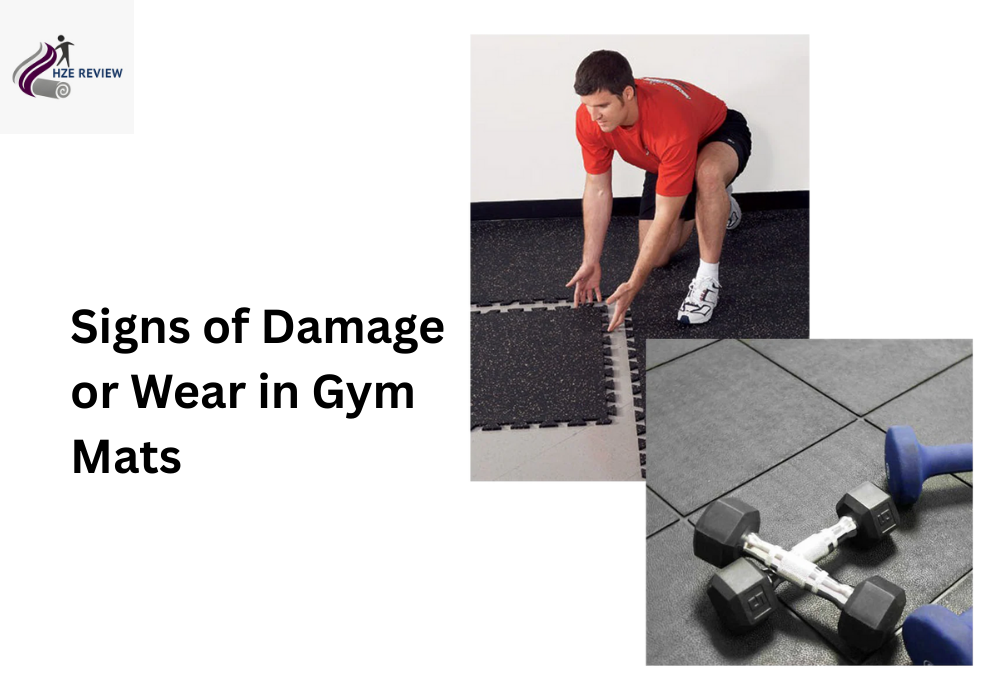
Signs of Damage or Wear in Gym Mats
Look out for visible cracks, tears, or fraying on your mats. These signs show that the mats are no longer providing the proper grip or protection. If the mats are also sagging or becoming too soft, they might not be providing the shock absorption they once did. These are all clear signs that your mats need attention.
When to Replace Mats for Maximum Safety
If the damage is too severe or the mats are losing their texture, it’s time to replace them. Please don’t wait until they become a safety hazard. If you notice that mats are too slippery, especially after cleaning, they are no longer doing their job correctly and should be replaced to prevent accidents.
Cost-Effective Ways to Replace Damaged Mats
Replacing mats doesn’t always have to be expensive. Look for bulk deals or discounted mats online. Some suppliers offer discounts when purchasing large quantities. Additionally, if only some mats are damaged, you can replace individual pieces instead of the entire set. This helps save money while keeping your gym safe.
FAQs About Installing and Maintaining Gym Floor Mats in Commercial Gyms
Here are some common questions people have about installing and maintaining gym floor mats. Let’s go over them so you can keep your gym safe and in top condition.
How Often Should Gym Floor Mats Be Replaced?
Gym floor mats should be replaced when they show signs of wear and tear, like cracks or slipping. Generally, if you notice that the mats aren’t providing as much grip or cushioning anymore, it’s time to replace them. On average, mats might last anywhere from 1 to 3 years, depending on use.
Can I Use Household Cleaners on Commercial Gym Mats?
It’s best to avoid household cleaners, as they may leave a slippery residue or damage the material. Instead, use cleaners specifically designed for gym mats. These cleaners will help maintain the grip and durability of your mats without causing any damage.
Are Interlocking Mats Easier to Maintain Than Roll-Out Mats?
Interlocking mats are generally easier to maintain because they are simple to clean individually. You can remove them to clean or replace one mat if needed. Roll-out mats can be harder to maintain since they cover a larger area, but they are easy to install and tend to be more seamless.
What’s the Best Type of Floor Mat for Heavy Weight Areas?
Rubber mats are a great choice for areas with heavy weights or intense workouts. They are strong and durable and provide excellent shock absorption. Rubber mats do not move when one makes heavy lifts, making them the most appropriate for high-impact workouts.
Conclusion
Gym floor mat installation and maintenance for a commercial gym is a critical component of safety, comfort, and durability. Correct mat installation, proper installation, and maintenance are all methods by which you can provide a safer and more effective workout environment for all those utilizing the gym. Remember that the mats you install should be compatible with the type of workout being conducted: weightlifting, cardio, or group fitness. Taking the time to care for your mats will not only improve the safety of your gym but also save you money in the long run by extending the life of your mats. So, get your gym mats installed, maintained, and ready for action—your gym members will thank you for it!